
What Are Pallets Made Of? Materials Compared | Pallets LLC Logistics
Pallets might not be the flashiest part of a supply chain, but they carry the weight of the entire operation. Literally. What a pallet is made of affects load strength, handling efficiency, cost, sustainability goals, and even fuel use.
Most pallets you see moving through warehouses or distribution centers are made of wood. Others are built from plastic or metal for special environments. And then there are newer engineered options that use wood more efficiently and help companies shrink their environmental footprint.
At Pallets LLC, we work with operations that want dependable strength and smart sustainability. That is where our GreenBlock pallet system comes in. It uses less wood, supports heavy loads, and helps reduce fuel and material waste, giving businesses a modern alternative to traditional builds.
Let's take a look at the different pallet materials, where they shine, and how engineered wood pallets like GreenBlock are shaping the next generation of responsible shipping.
Wood Pallets: The Global Standard
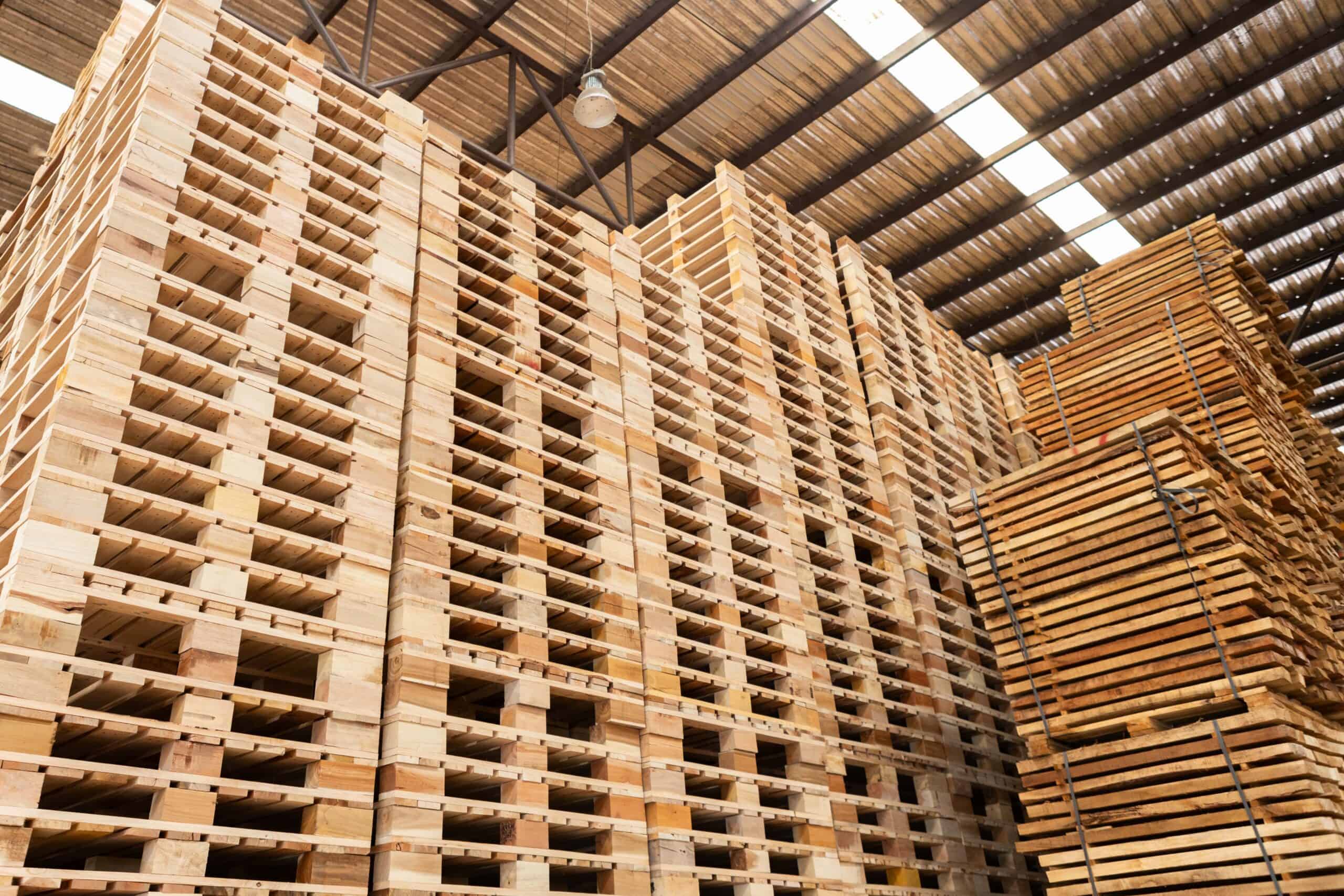
If you had to picture a pallet right now, you probably pictured wood. There is a reason for that. Wood pallets move the majority of the world's products, and they do it well.
What Wood Pallets Are Made Of
Most wood pallets use:
Boards and blocks are typically nailed together, creating a sturdy, repairable structure.
Why Wood Is So Popular
Wood pallets remain dominant because they offer:
They are simple, effective, and built for real-world work.
Where Wood Pallets Shine
Wood fits best when you need:
This is why you will see wood pallets in manufacturing facilities, warehouses, distribution centers, and retail supply chains around the world.
A Natural Choice With Modern Upgrades
Traditional wood pallets are proven. Engineered wood solutions build on that foundation by using material more efficiently and adding stability where it matters most.
That is where GreenBlock pallets come in, which we will explore shortly. They keep the strength and recyclability of wood while reducing waste and supporting greener logistics.
Plastic Pallets: Specialized and Sanitized
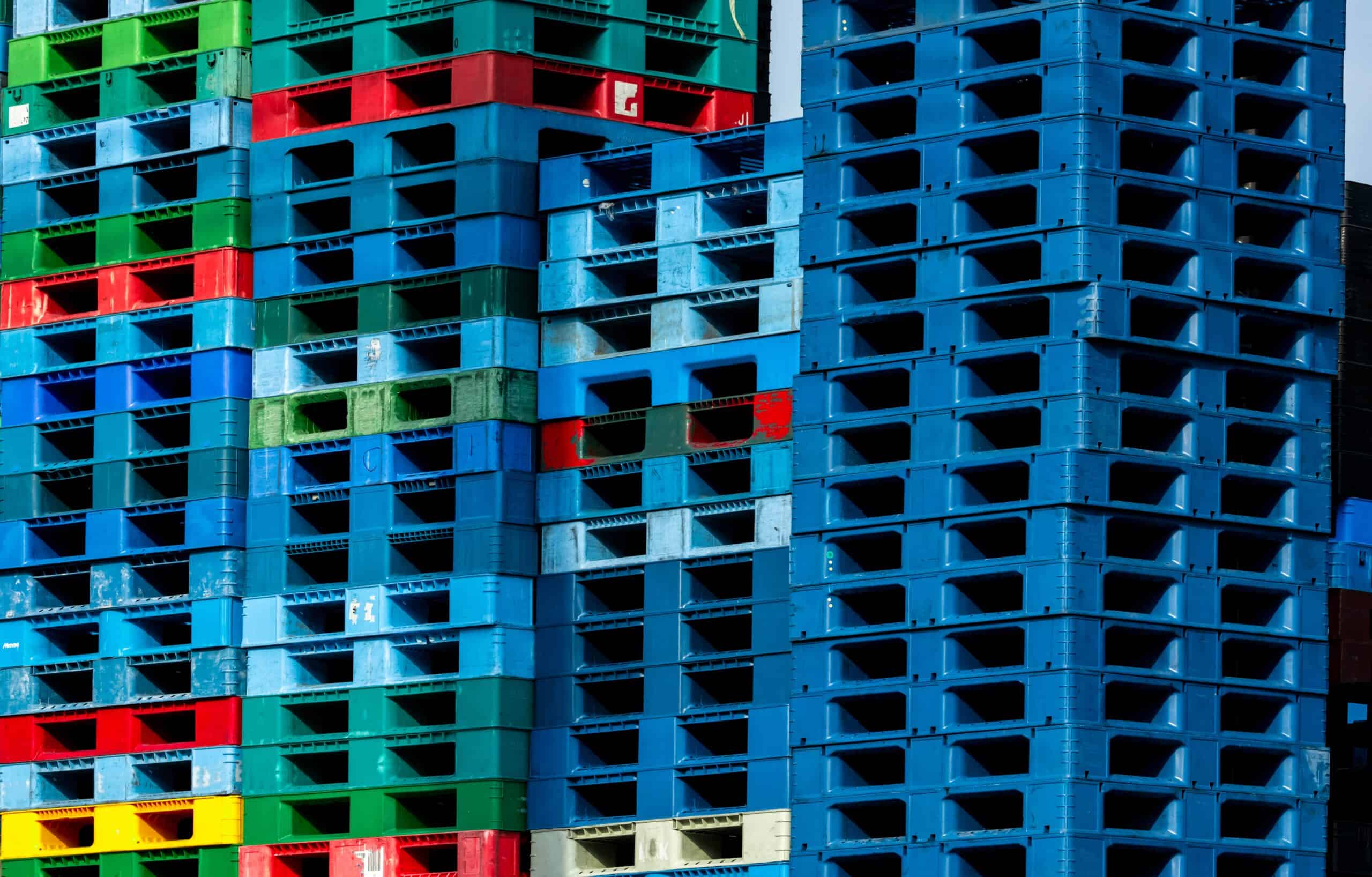
Plastic pallets are not as common as wood, but they play an important role in specific industries. Think clean environments, wet conditions, and strict hygiene rules.
What Plastic Pallets Are Made Of
Typical plastic pallets use:
These materials create uniform, moisture-resistant pallets that are easy to wash and keep clean.
Where Plastic Pallets Make Sense
Plastic pallets shine when you need:
You will often see them in:
Considerations Before Choosing Plastic
Plastic pallets are durable, but they come with trade-offs:
They are great for controlled, high-sanitation environments. For everyday shipping and general distribution, plastic usually costs more than operations need to spend.
Metal Pallets: Strength for Special Cases

Metal pallets are the powerlifters of the pallet world. You do not see them often, but when maximum strength matters, they deliver.
What Metal Pallets Are Made Of
Most metal pallets use:
They are designed to handle serious stress without bending, snapping, or breaking.
Where Metal Pallets Make Sense
Metal pallets are typically used when:
Industries that use metal pallets include:
If you are moving expensive, oversized, or heat-sensitive materials, metal pallets can be a protective investment.
Considerations Before Choosing Metal
Metal pallets perform well under pressure, but they are not right for most workflows:
Great for niche needs. Overkill for everyday logistics.
Engineered Wood and Composite Pallets: The Modern Middle Ground
Traditional wood works. Plastic has its niche. But many supply chains today want durability, sustainability, and better efficiency without jumping to premium plastic pricing. That is where engineered wood pallets come in.
These pallets use wood more strategically. Instead of relying only on solid blocks and boards, engineered systems reinforce key areas, optimize weight, and extend lifespan. You still get the strength and recyclability of wood, with less waste and smarter material use.
What Engineered Wood Pallets Are Made Of
Depending on the design, engineered pallets may include:
The result is a pallet that handles real warehouse conditions while using fewer raw resources.
Why Companies Choose Engineered Wood
These pallets are gaining traction because they offer:
In short, more value across the pallet's life cycle.
The GreenBlock Difference
At Pallets LLC, our GreenBlock pallet system is built with engineered wood blocks designed to do more with less. It helps operations:
It is a forward-thinking approach that keeps pallets tough, recyclable, and cost-smart while supporting environmental responsibilities.
When you need performance and sustainability in the same pallet, engineered wood is often the best fit.
| Material | Best For | Strengths | Considerations |
|---|---|---|---|
| Wood | General warehousing and distribution | Strong, repairable, cost-efficient, widely recyclable | Can absorb moisture, appearance varies |
| Plastic | Food, pharma, clean rooms | Sanitizable, consistent sizing, moisture-resistant | Higher cost, limited repairs, recycling depends on facility |
| Metal | Heavy industry and long-term storage | Extremely strong, fire & heat resistant | Expensive, heavy, not needed for most supply chains |
| Engineered Wood (GreenBlock) | Efficient, high-volume operations seeking sustainability | Uses less wood, durable, lighter weight, repairable, reduces waste and fuel impact | Ideal for companies balancing performance and sustainability |
The Right Pallet Material Depends on Your Goals
Pallets may look simple, but the material you choose influences load performance, worker safety, cost efficiency, and your environmental footprint. Wood pallets remain the trusted standard for everyday shipping because they are strong, repairable, and easy to recycle. Plastic pallets serve specific industries that require strict hygiene and uniformity. Metal pallets are the muscle for niche environments where durability is non-negotiable.
Then there is the modern option. Engineered wood pallets offer a balanced path forward. They use less raw material, support heavy loads, and help reduce waste and fuel impact without the high price and disposal challenges of plastics. It is an evolution, not a replacement, and it fits how smart supply chains operate today.
At Pallets LLC, we designed our GreenBlock pallet system with these priorities in mind. It is built for real industrial use, made to last, and designed to help operations move product efficiently while supporting sustainability goals.
Build your pallet strategy with long-term value in mind
Whether you know exactly what you need or you are exploring options, our team is here to help. Tell us about your loads, handling flow, and sustainability targets. We will recommend a pallet solution that fits your operation and your budget.
Good pallets move product. Better pallets move your business forward.
Ready to Upgrade Your Pallet Strategy?
Whether you're looking for custom pallets, sustainable solutions, or just better pricing - we're here to help.
Request a Quote